Examples
Three recordings, three transcriptions. On the left the original; on the right the MIDI Damper produced, played by a sampled grand piano.
The two sides are matched to the same loudness, so you judge the transcription and not the volume. The MIDI side is dry on purpose: a MIDI file has no sound and no reverb of its own — it takes whatever instrument you load it into. Nothing was corrected by hand.
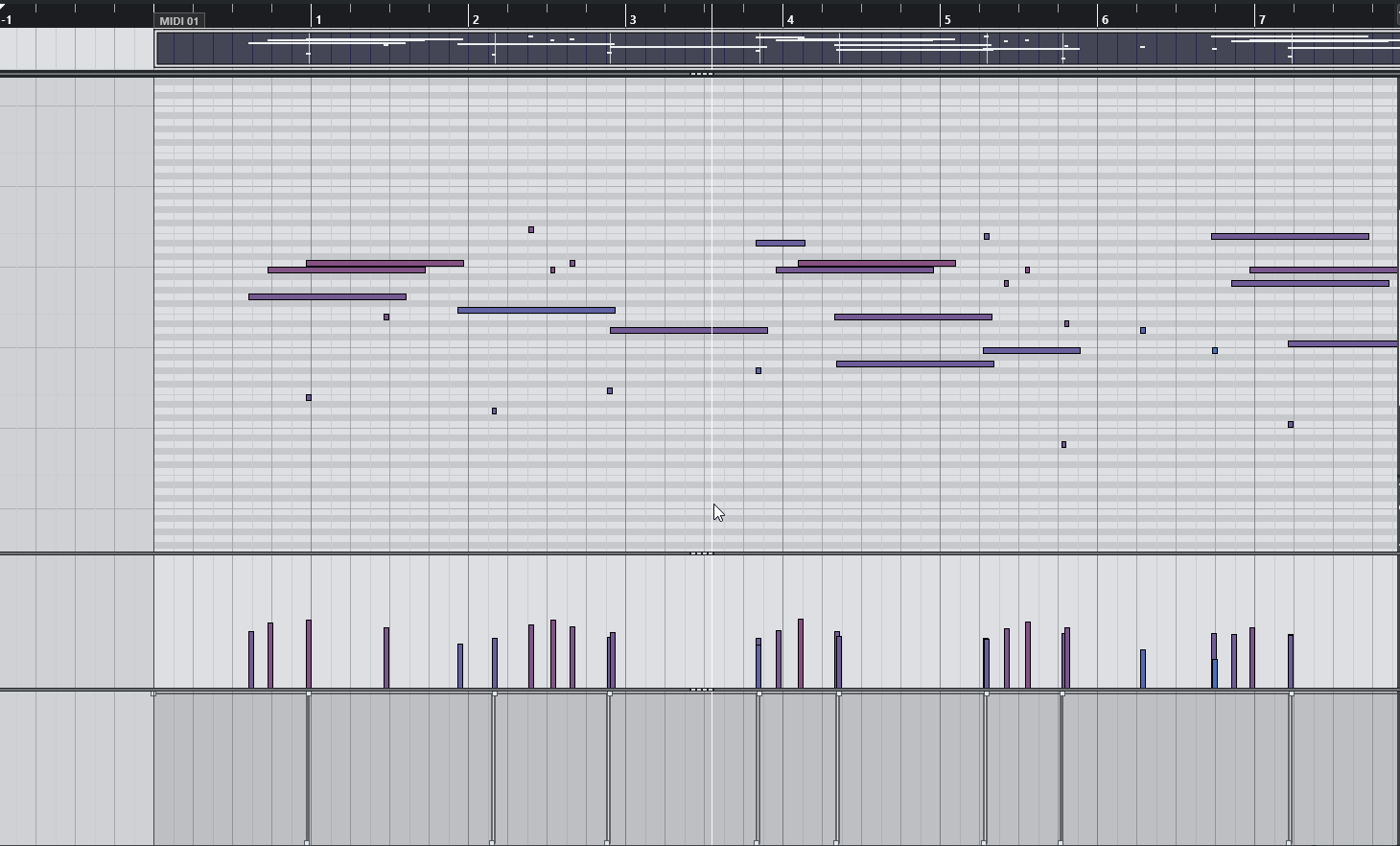
Classical — Chopin, Nocturne in E-flat major, Op. 9 No. 2
Performed by Membeth, released CC0. Slow, rubato, and pedalled almost continuously — the hardest case for a machine.
What to listen for: the left-hand arpeggios stay one harmony, not four separate pedal changes. That distinction is the whole difficulty of the piece.
Jazz — “Rebirth”
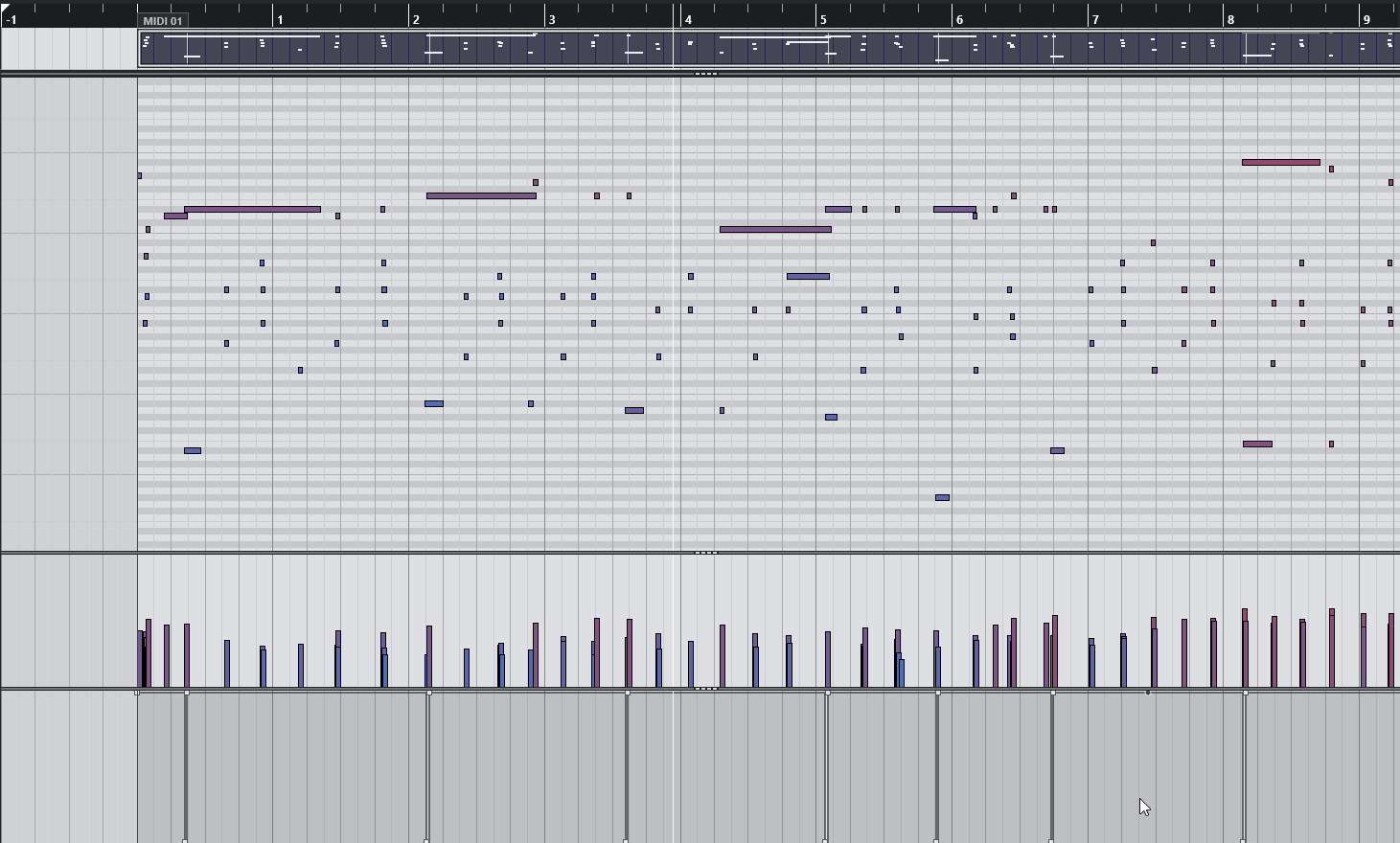
By Juan Sánchez, Pixabay Content License. Swung timing, dense voicings, shorter pedal.
What to listen for: inner voices inside the chords, and whether the swing survives. Timing is taken from the recording, never quantised to a grid.
Contemporary — “Holding Space”
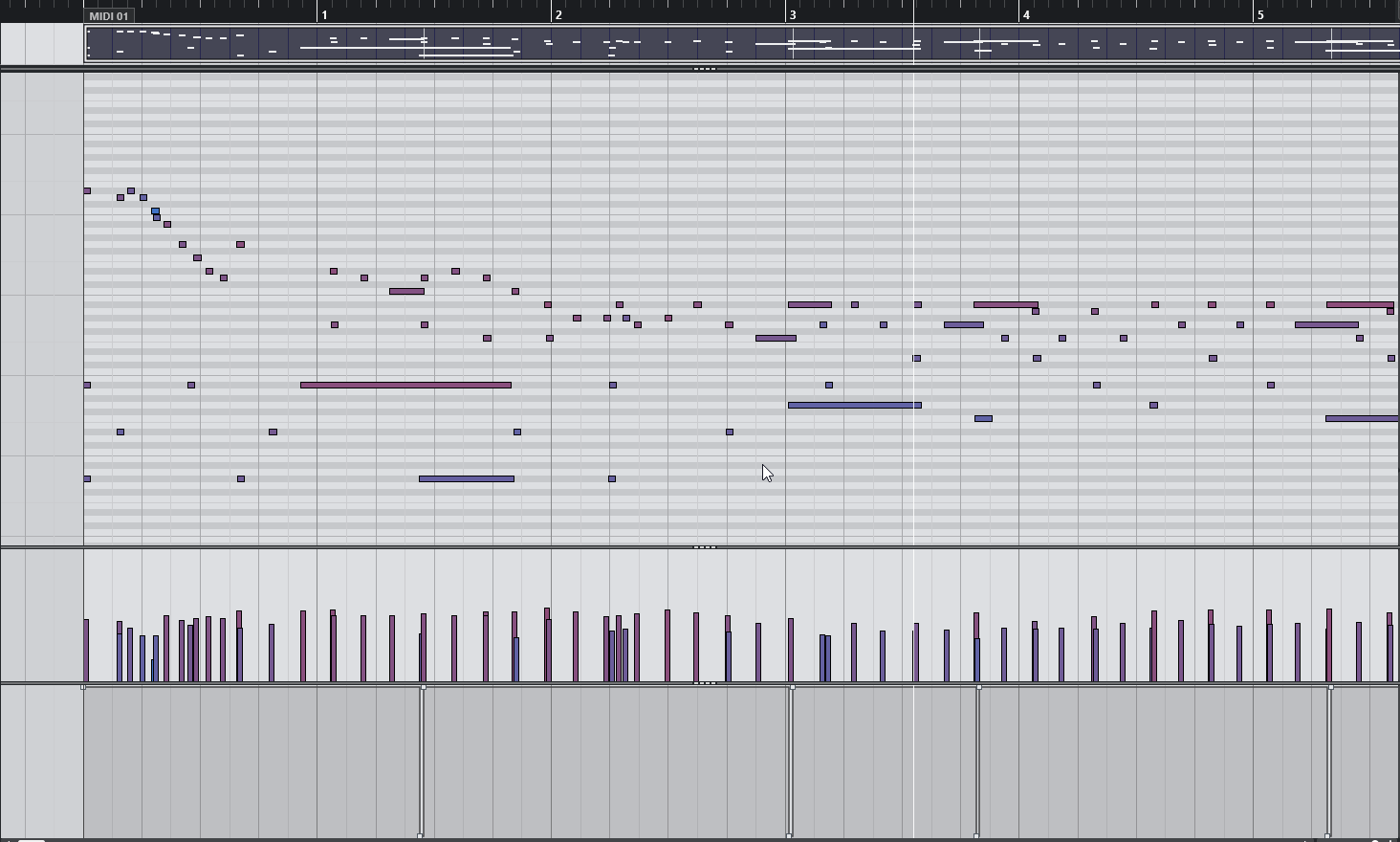
By Soularflair, CC BY 4.0. Sparse, slow, long pedal — where a wrong pedal release is most obvious.
What to listen for: the silences. When the pedal lifts, the sound has to stop with it — that is the moment a transcription usually gives itself away.